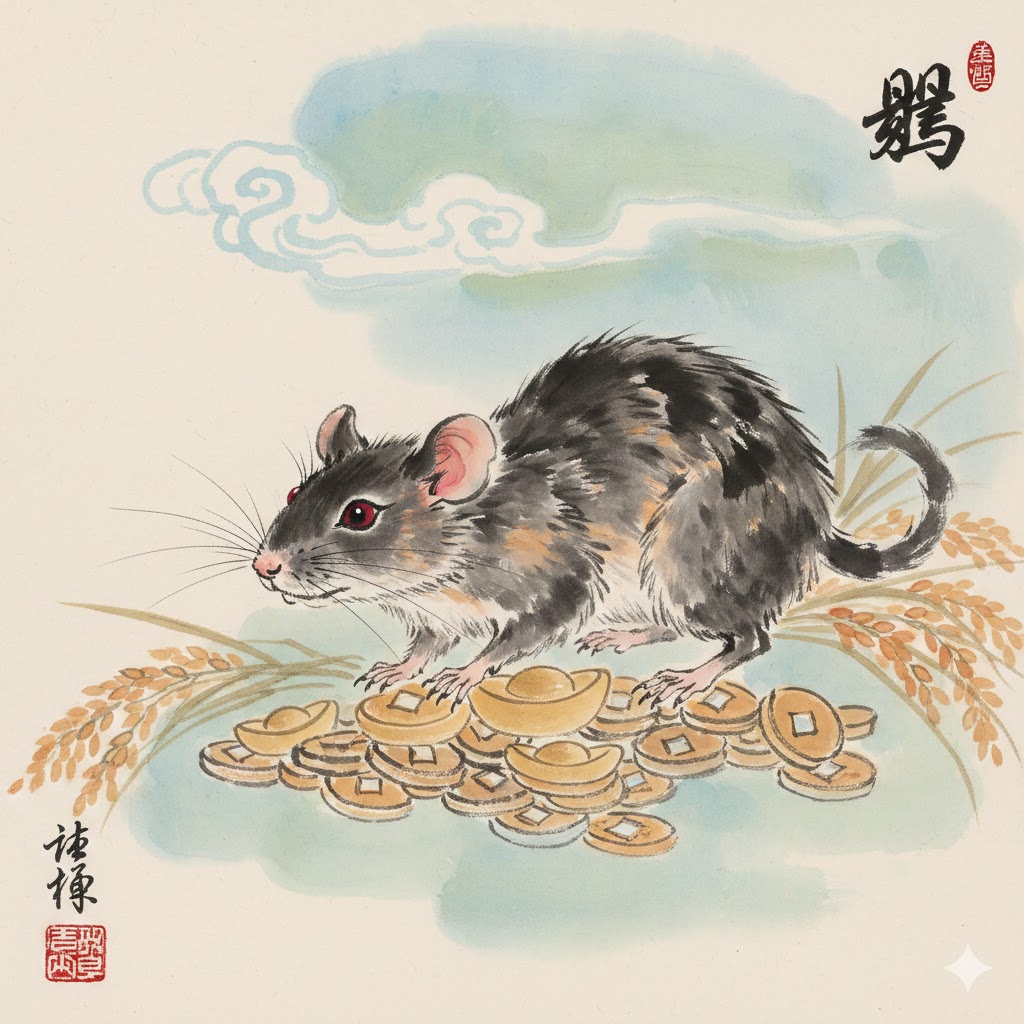
Rat
Across zodiac storytelling, the Rat is often associated with alertness, adaptability, and quick strategic intelligence.
This page presents the twelve Chinese zodiac animals as a repeating cycle rather than isolated signs. It serves as a cultural entry page linking zodiac rhythm, sign symbolism, birth-year pathways, and deeper sign reading.
All Signs
Read the zodiac as a cycle rather than a checklist. Each animal enters the sequence with its own symbolic role, cultural texture, and place in a larger twelve-part rhythm.
Story Path
The Chinese zodiac is traditionally understood as a repeating cycle rather than a fixed set of isolated signs. Each animal enters the sequence with a different social, symbolic, and seasonal role, creating movement across the full twelve-part rhythm.
Chapter One
Traditionally associated with initiative, labor, and force, the opening trio sets the cycle in motion.
Across zodiac storytelling, the Rat is often associated with alertness, adaptability, and quick strategic intelligence.
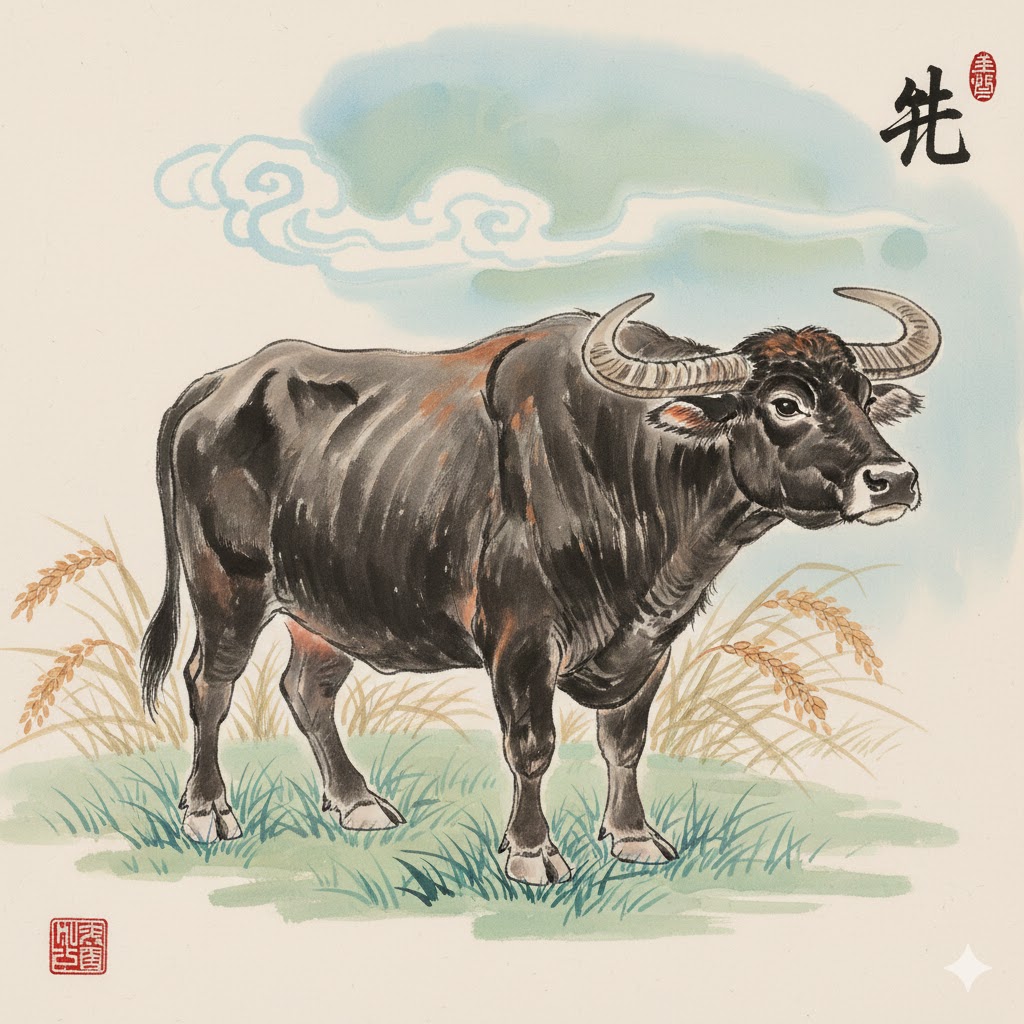
The Ox is traditionally associated with endurance, labor, steadiness, and the slow accumulation of strength.
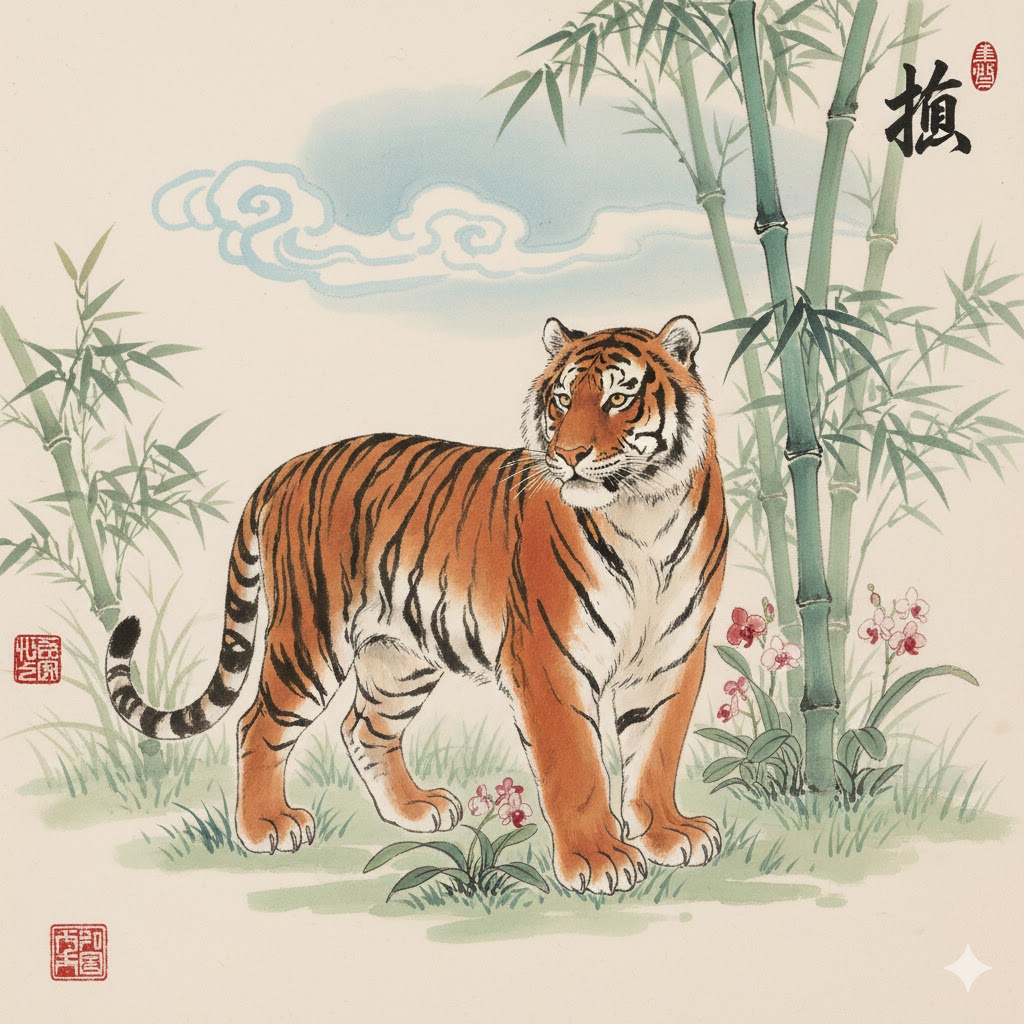
Within folklore and symbolic reading, the Tiger often represents force, courage, risk, and a dramatic change in atmosphere.
Chapter Two
Traditionally linked with tact, emblem, and careful observation, this phase softens and deepens the cycle.
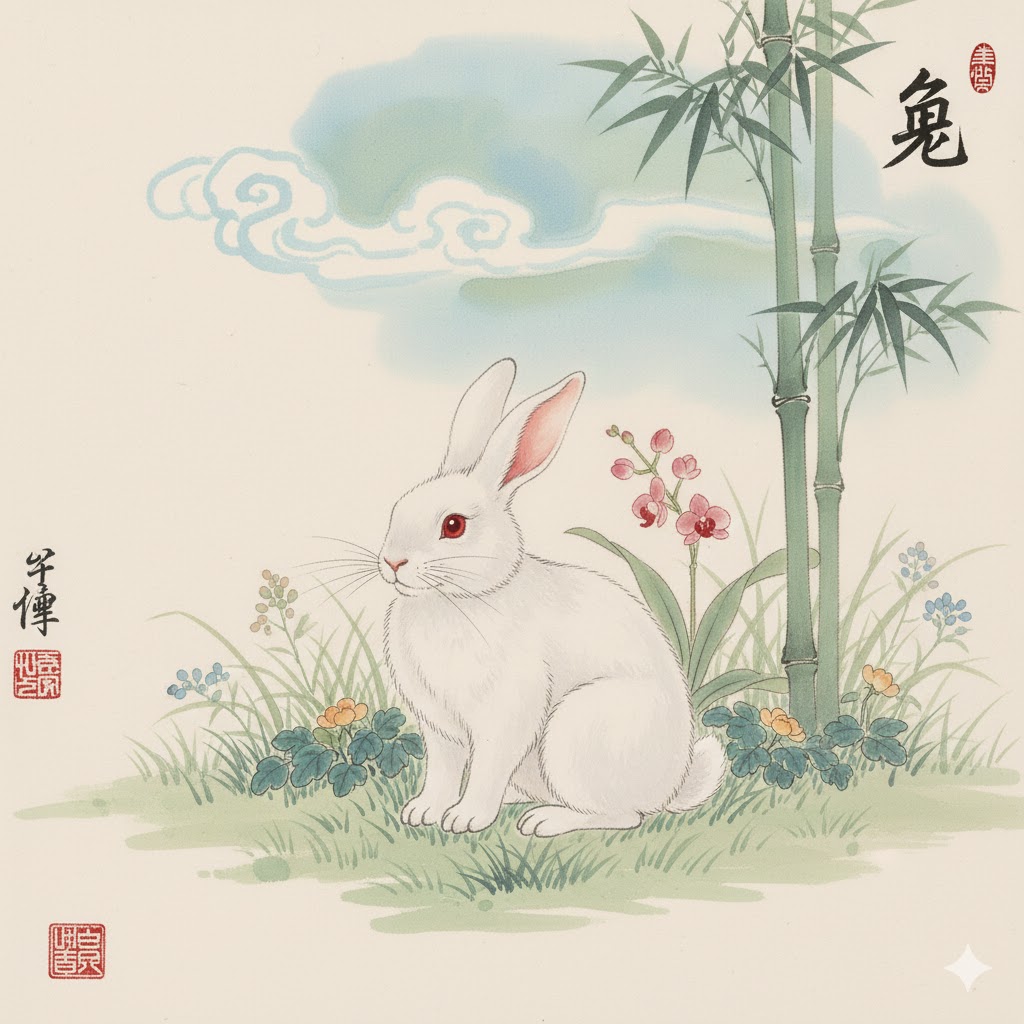
The Rabbit is commonly associated with tact, gentleness, sensitivity, and the social value of softness and restraint.
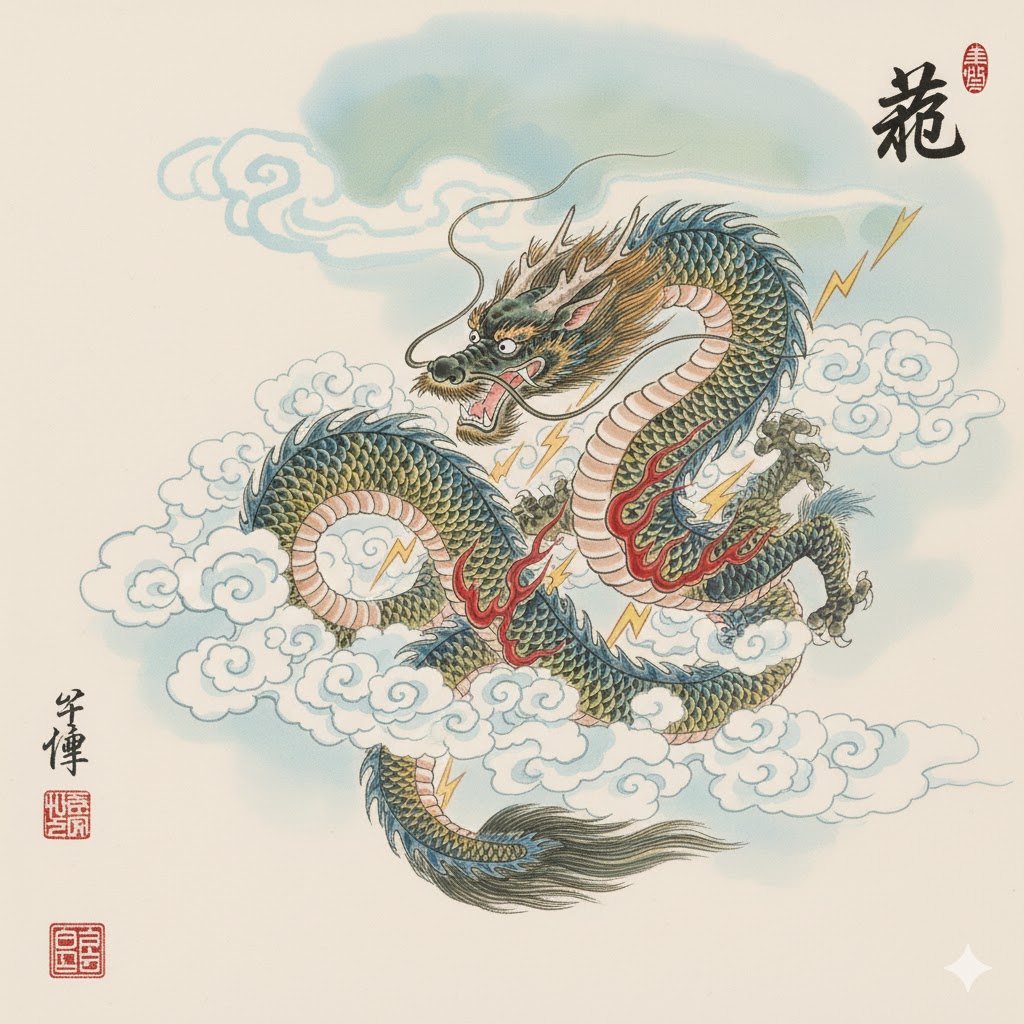
The Dragon occupies a special place in Chinese visual culture, often representing vitality, ceremony, prestige, and mythic force.
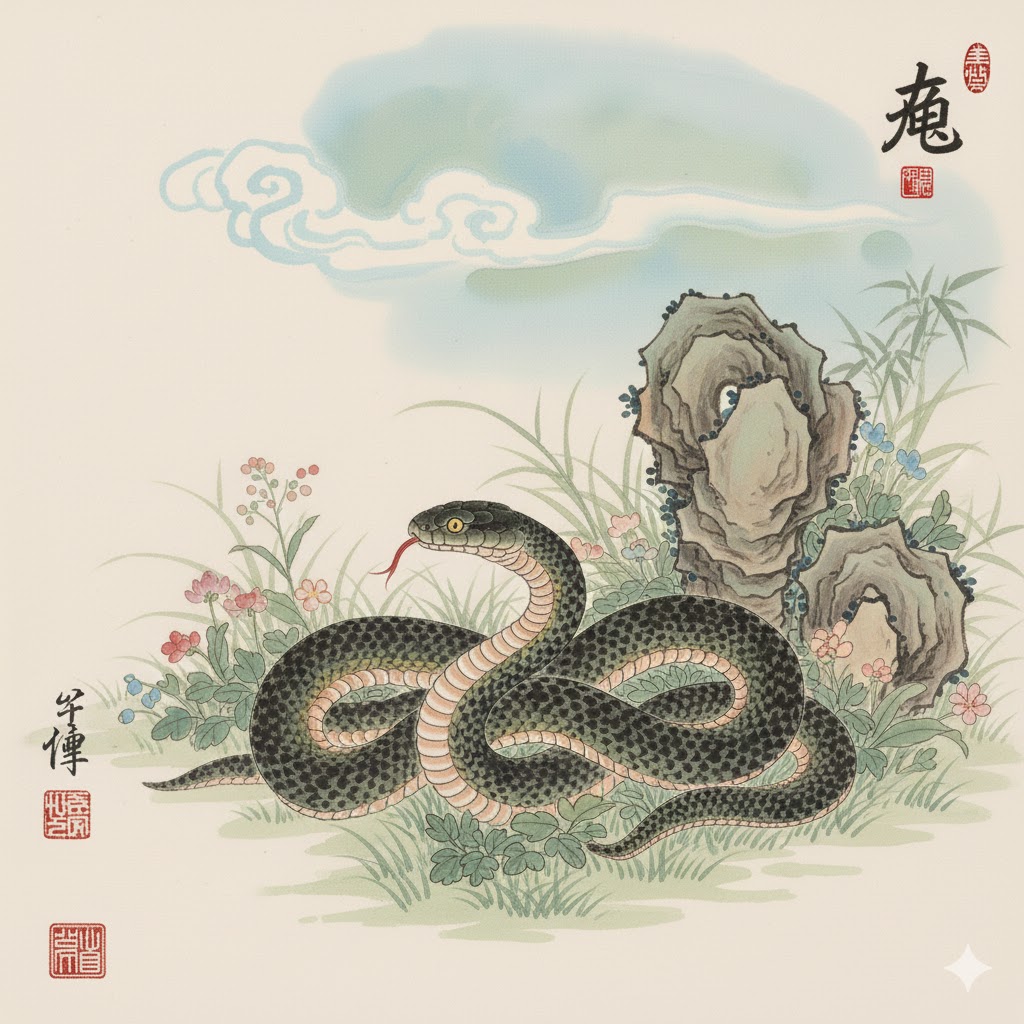
Across symbolic storytelling, the Snake is often linked to patience, inward knowledge, subtle movement, and controlled perception.
Chapter Three
Traditionally associated with movement, craft, and sociability, this phase opens the rhythm outward again.
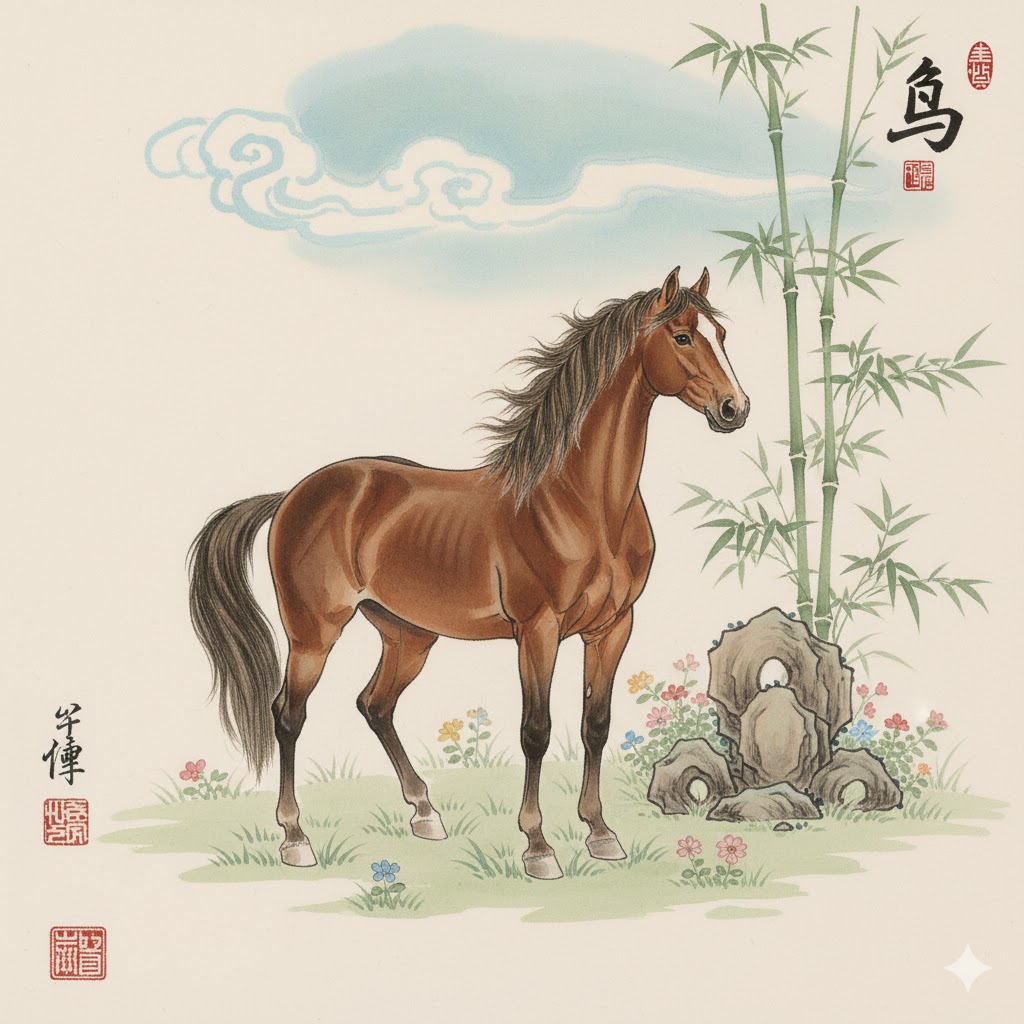
The Horse is traditionally associated with momentum, independence, public energy, and the feeling of open movement.
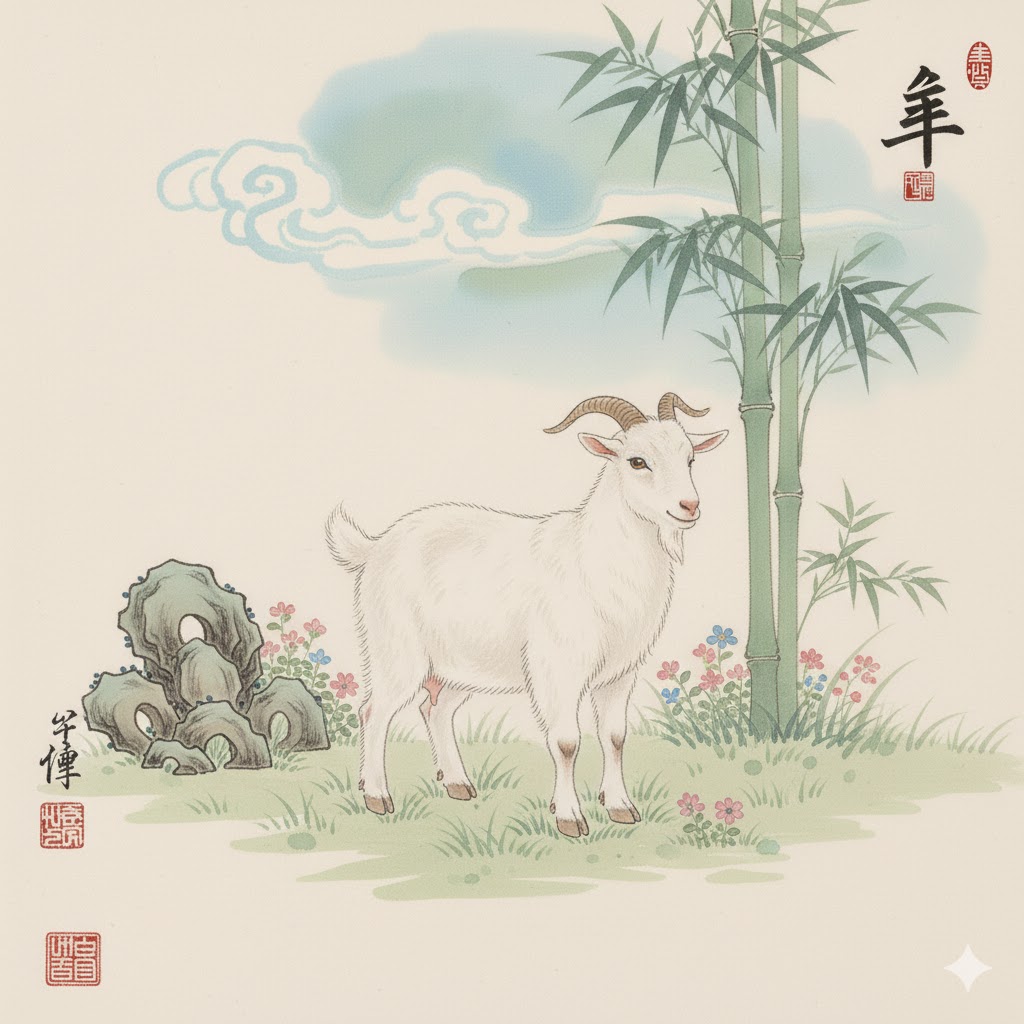
The Goat is often connected with gentleness, craft, aesthetic sensitivity, and a quieter form of expressive care.
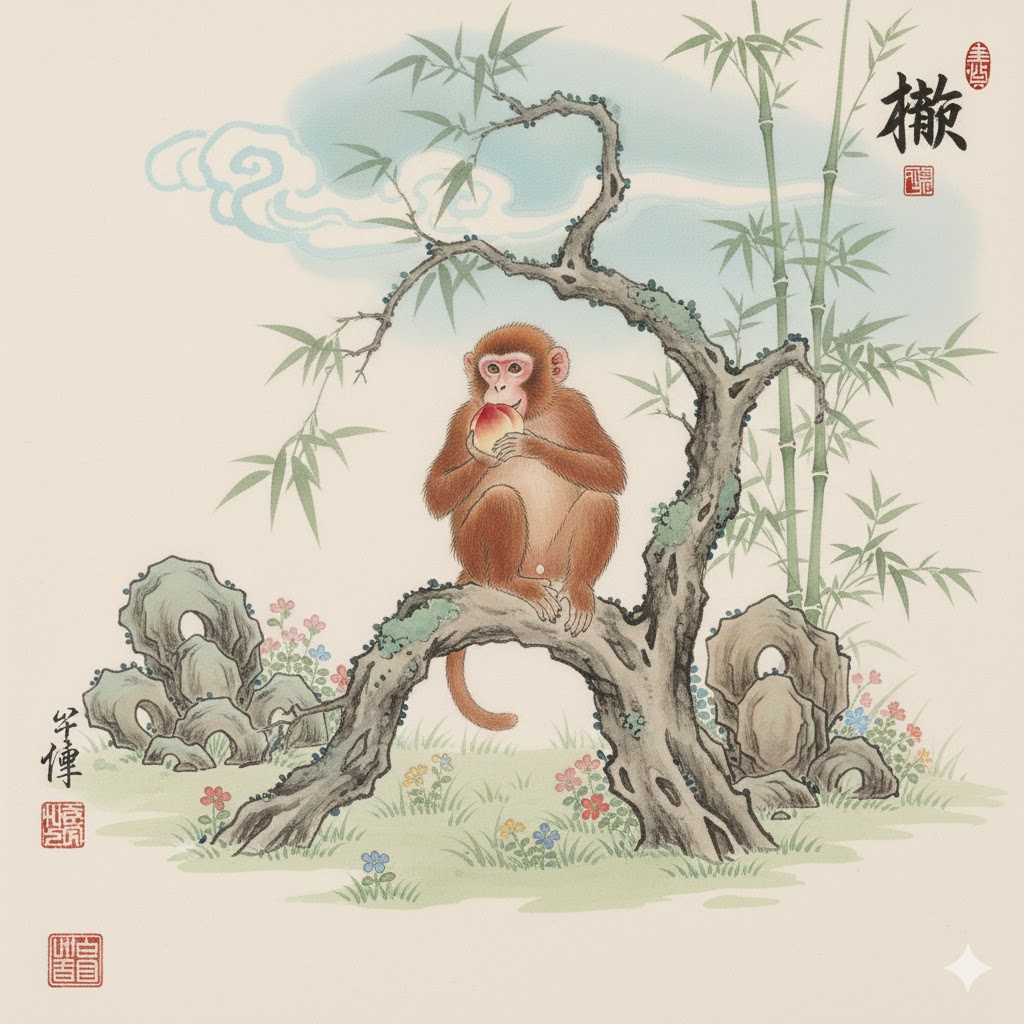
The Monkey is widely associated with wit, improvisation, clever disruption, and an agile relationship to challenge.
Chapter Four
Traditionally linked with clarity, trust, and social warmth, the final phase closes the cycle without losing its texture.
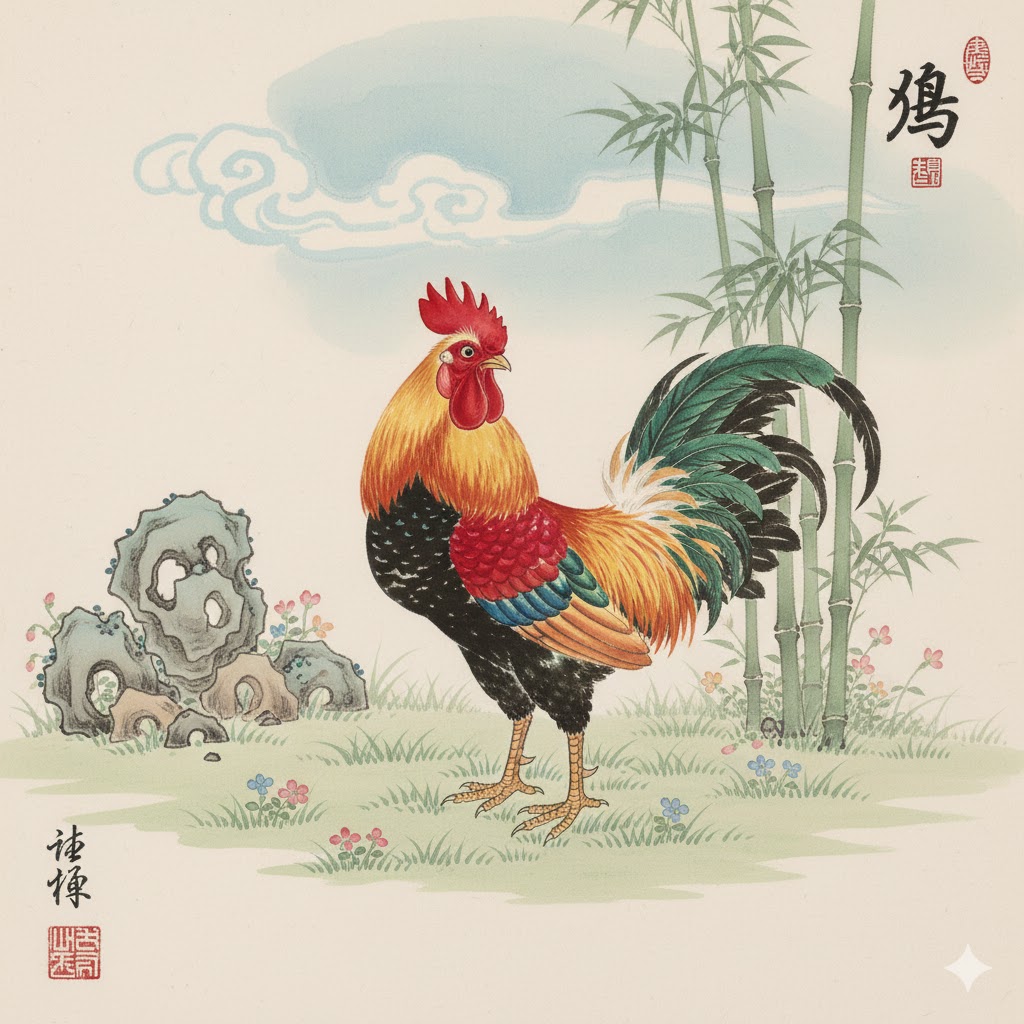
The Rooster is traditionally associated with precision, presentation, alertness, and the discipline of clear form.
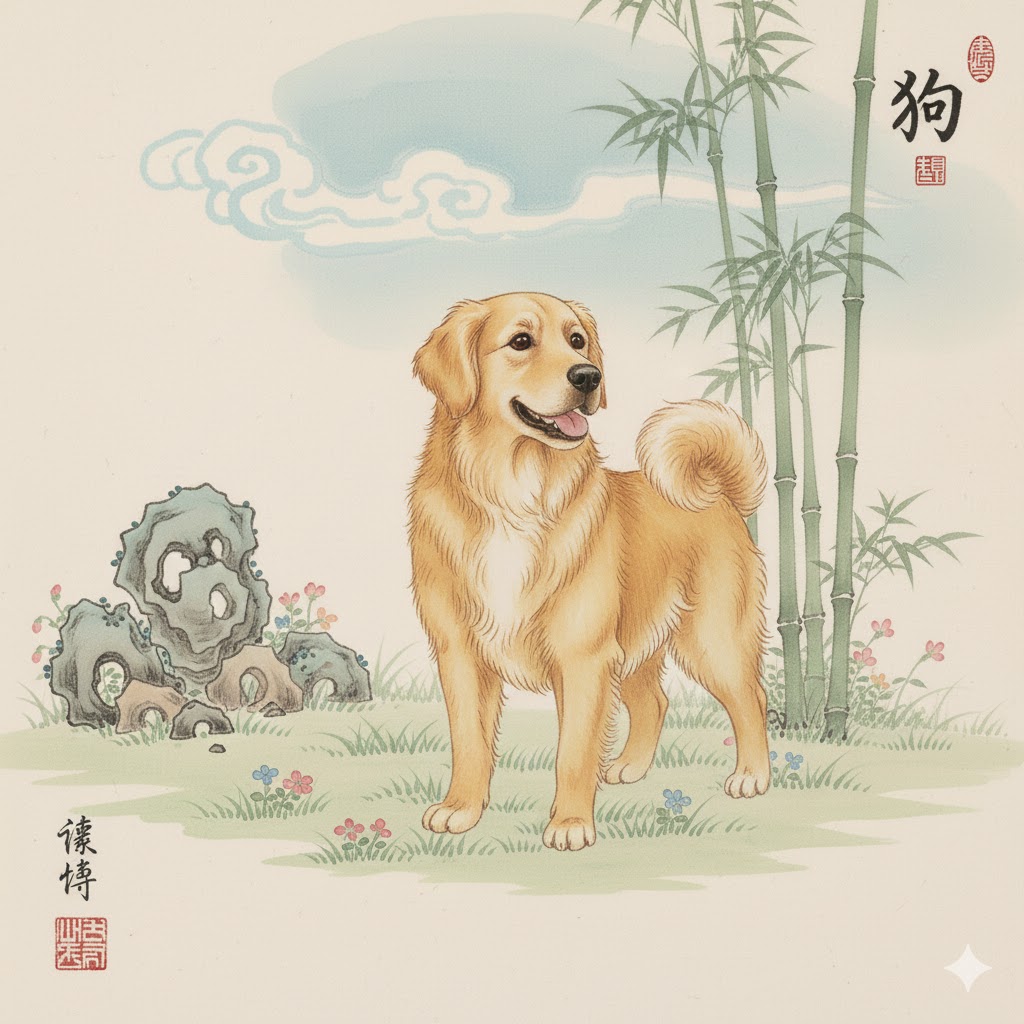
The Dog is commonly read through loyalty, protection, trust, and the moral weight of staying present for others.
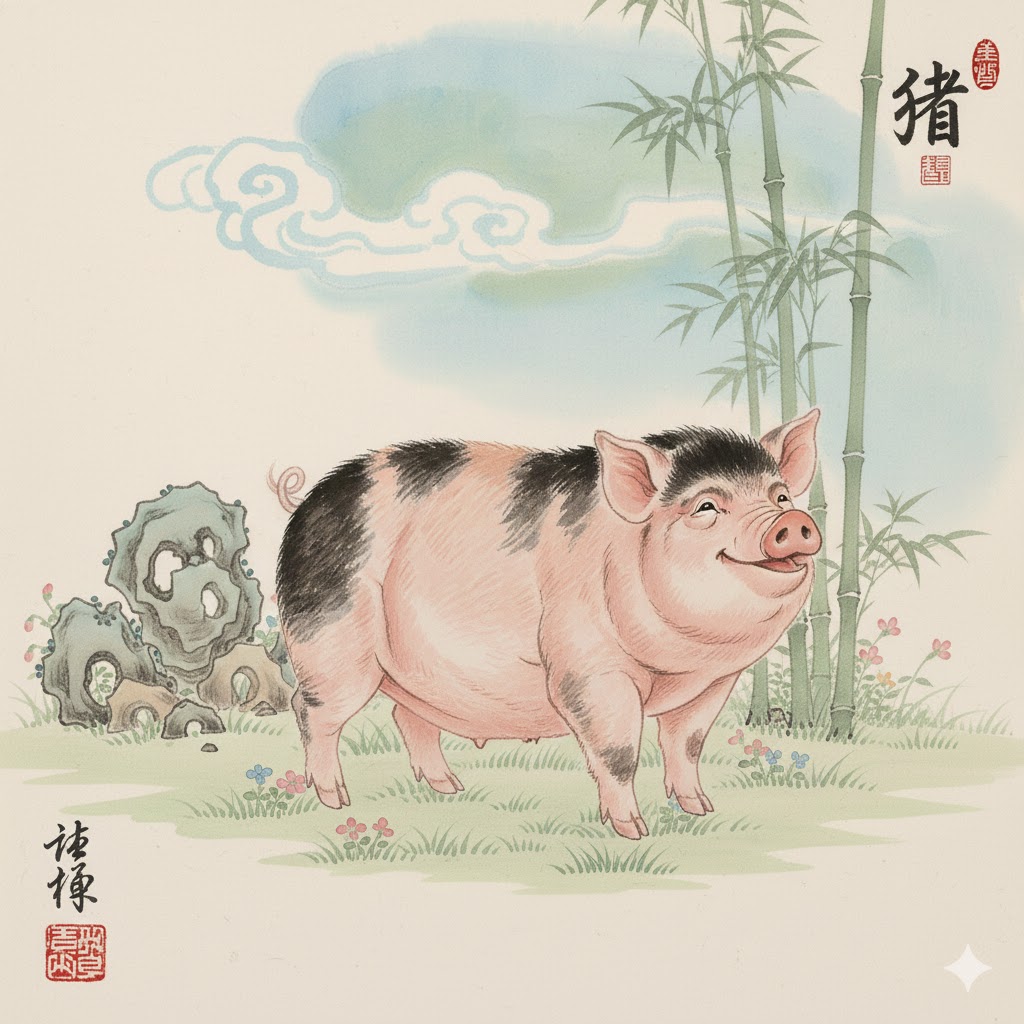
The Pig is often associated with abundance, ease, sociability, and a generous closing note within the cycle.